
Lymphoma
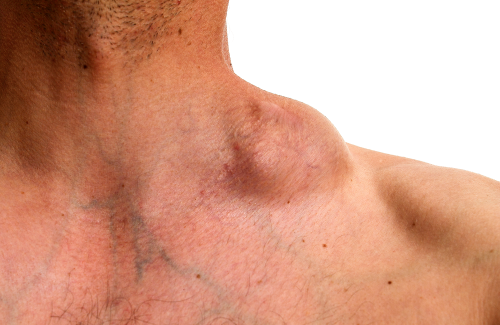
Lymphoma Cancer Treatment Doctor in Ahmedabad
Lymphoma is one of the types of blood cancer that develops within the lymphatic system, which affects lymph nodes, the spleen, as well as bone marrow. The early diagnosis and the right treatment are essential for a successful recovery. The doctor. Akanksha Garg, a well-known lymphoma cancer treatment doctor in Ahmedabad, offers complete treatment for Hodgkin's and Non-Hodgkin's Lymphoma. Through advanced treatments, caring treatment, as well as a multidisciplinary treatment, she is considered to be among the best lymphoma treatment specialist in Ahmedabad, providing more hope and improved outcomes for patients who are seeking lymphoma treatment in Ahmedabad.
The lymphatic system and other lymph glands are known as Lymphoma. Lymphoma is considered to be the sixth most frequent cancer in all forms of cancer. It affects the throat, abdomen, and esophagus, and can cause chest discomfort. This is why it's hazardous and requires immediate medical treatment.
Cancer that affects the Lymphatic System lymph nodes in the body, is referred to as Lymphoma. It is a kind of blood cancer that occurs when abnormal cancerous cells attack the bone marrow, and there they invade lymphocytes. Specialists in lymphoma cancer in Ahmedabad believe that it can weaken our immune system in the body due to the decreasing quantity of white blood cells within the human body.
Different Types of Lymphoma Cancer Treatment in Ahmedabad
The two most common types of lymphoma include:
Non-Hodgkin Lymphoma (NHL): Non-Hodgkin lymphoma (NHL) is the most frequent type of lymphoma. There are two kinds of lymphocytes, T lymphocytes and B lymphocytes. The NHL originates mainly from B lymphocytes. They also do not show that they have Reed-Sternberg cells. NHL is a condition that can develop at any age, and it displays the non-contiguous spread pattern.
Hodgkin lymphoma: Hodgkin lymphoma (HL) is rarer than Non-Hodgkin lymphoma (NHL) and is distinguished by the appearance of Reed-Sternberg lymphoma cells observed under microscopy. HL generally develops in an isolated chain of lymph nodes. The cervical lymphatic system is typically implicated (neck nodes), but it could also be seen in the paraaortic and mesenteric chains. It is spread contiguously (from one event to the next, involving other adjacent tissues) and is rarely associated with additional nodal sites. HL also has an age distribution that is bimodal, typically divided into groups with a peak age between 15 and 34 years and those who are over 50 years of age.
Causes of Lymphoma Treatment in Ahmedabad
Cancer is caused by the uncontrolled growth of cells. The lifespan of a cell is short before the cell ceases to exist. If you have lymphoma, however, the cells thrive and expand rather than dying. It's not clear what causes lymphoma, but lymphoma specialists think that a variety of risk factors are associated with the cancers.
Risk Factors of Lymphoma Treatment in Ahmedabad
Factors that may make it more likely to develop lymphoma include:
- Age Different kinds of lymphoma are more prevalent in younger adults, whereas others are more often detected by people who are older than 55.
- Males are more likely to develop lymphoma. Males are less likely to be diagnosed with lymphoma than females.
- Being afflicted by an impaired immune system, Lymphoma is much more prevalent among people suffering from immune system problems or those who are taking medications that inhibit the immune system.
- Infections that can cause Certain illnesses are associated with the risk of lymphoma increase such as lymphoma caused by the Epstein-Barr virus, as well as Helicobacter pylori.
Signs and Symptoms of Lymphoma Cancer Treatment in Ahmedabad
The signs and symptoms for each Hodgkin or non-Hodgkin lymphoma include:
- Swollen lymph nodes that are painless and in the neck or under the arms, and in the groin
- Fever
- Night sweats
- Extreme fatigue
- Unexplained weight loss
- It can be difficult to overcome the common cold or an infection
- Anaemia
- Itching, whether or not there is the appearance of a scratch or a rash
Diagnosis of Lymphoma Cancer Treatment in Ahmedabad
At the beginning, the lymphoma cancer shows signs of Leukemia. Therefore, patients tend to become confused. Therefore, the doctor may request several tests to help determine the cause: The diagnosis consists of:
- Complete blood counts (CBC) could be utilized to assess the amount of iofplatelets and white blood cell count. If levels are low, it could indicate the presence of lymphoma in bone marrow or blood.
- PET scan is used to diagnose lymph nodes. It creates 3D images that are colored to demonstrate the growth of lymphoma throughout the body. Additionally, the PET scan reveals those areas that are affected within the body.
- MRI scan The doctor may re. Recommend running an MRI that helps to examine the spinal cord or brain. The possibility is that cancer begins developing in other organs of the body. This is why an MRI scan is helpful in revealing areas of concern.
- Bone Marrow biopsy. The bone marrow is more susceptible to being impacted by lymphocytes. This is why a biopsy can be helpful in the same way. Furthermore, a biopsy will help to determine whether cancer has spread across the body.
- A gland biopsy A lymph node biopsy, is one of the important test that cancer patients have to undergo. Through this biopsy, the lymph nodes are examined to determine the areas that are affected.
- CT scan in addition to PET scan and MRI. The doctor could request a CT scan. It can also aid by taking computed tomography images of internal organs.
These are a few possible signs and symptoms, but they aren't necessarily conclusive. It is recommended to talk with a lymphoma cancer treatment specialist in Ahmedabad to ensure you have the right diagnosis you need.
Best Lymphoma Treatment in Ahmedabad
There are many options for managing offered for Lymphoma, and it's possible to treat. lymphoma cancer treatment doctor in Ahmedabad conclude regarding the treatment procedure based on the test results for detection.
- Chemotherapy is an aggressive treatment that uses drugs to kill cancerous cells; however, it could also affect healthy cells in the body.
- Radioimmunotherapy uses high-powered radiation; active doses are delivered to the body to eliminate cancerous B-cells and C-cells.
- Steroids: Steroids are injected into the human body to kill cancerous cells.
- Radiation Therapy Treatment for cancer: In Radiation Therapy tiny patches of c, cancer- infected skin are treated and removed.
- Stem cell transplantation: Stem Cell Transplantation can be used to heal damaged or damaged bone marrow.
- Antibody Treatment: Antibody Therapy is a form of therapy where synthetic antibodies are in the bloodstream to fight against cancer agents.
- Biologic Therapy. This is among the most recommended methods for Lymphoma treatment. In Biologic Therapy, the living microorganisms are implanted into the body in order to boost the immune system and eliminate cancerous cells.
- Surgery is an effective option for treating Lymphoma. By performing the procedure, doctors eliminate cancerous organs in the body.
Book an Appointment with Lymphoma Cancer Surgeon in Ahmedabad
A majority of hospitals offer follow-up appointments lasting around two years after the end of treatment for lymphoma. However, some hospitals offer longer follow-up appointments.
The norm is to schedule regular check-ups with your lymphoma specialist every couple of months, but then every six months thereafter. Regular visits during this period will mean that your medical team will look for any indications of a return to your The risk during the first two years following treatment.
FAQs for Lymphoma Cancer Treatment Specialist in Ahmedabad
Q1. What is Lymphoma, and what treatment options are available?
Lymphoma is a form of cancer that affects the lymphatic system. Treatment options include immunotherapy, chemotherapy treatment, focused therapy, radiotherapy, and, in certain instances, stem cells or bone marrow transplants.
Q2. Which is the best Lymphoma Cancer Treatment Doctor in Ahmedabad?
Dr. Akanksha Garg is recognized as a renowned lymphoma cancer treatment doctor in Ahmedabad, recognized by her knowledge of blood cancers as well as individualized treatment.
Q3. What are the signs of Lymphoma?
Common signs are swollen and painless lymph nodes. They can also be accompanied by fever, night sweats, inexplicable weight loss, or fatigue. If you are experiencing any of these symptoms, you should consult your lymphoma cancer treatment specialist in Ahmedabad immediately.
Q4. Are there any surgical procedures needed to treat Lymphoma?
The majority of Lymphoma patients are managed using treatments like chemotherapy or targeted therapies. Surgery is not common, but can be carried out by a skilled lymphoma cancer treatment surgeon in Ahmedabad in particular circumstances.
Q5. Where can I find an advanced Lymphoma Therapy in Ahmedabad?
You can speak with the Doctor. Akanksha Garg offers extensive lymphoma cancer treatment in Ahmedabad with the most advanced therapies and a patient-centered approach to services.